Why Whiskey Barrels Hold Up Outdoors (And Wine Barrels Don't)
If you're shopping for an outdoor barrel planter, a garden feature, or a rustic decor piece, you'll quickly notice there are two main types on the market: whiskey barrels and wine barrels. They look similar. They're both oak. They're both retired from the industry. But when it comes to long-term outdoor use, they are not equal, and the main difference comes down to fire.
What Happens Inside a Whiskey Barrel
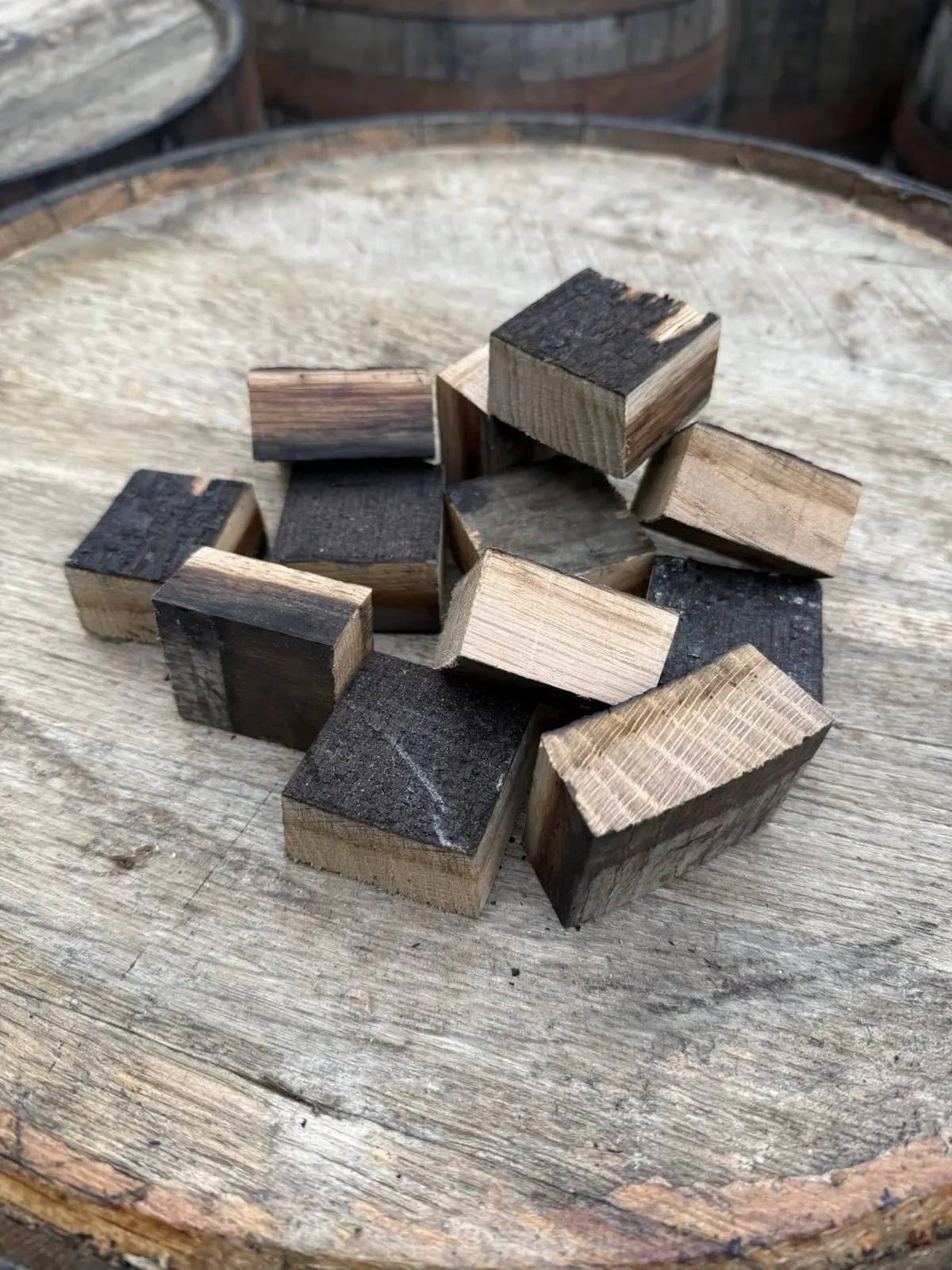
Before a whiskey barrel ever holds a single litre of spirit, it is charred on the inside. A cooper holds an open flame inside the freshly assembled barrel for anywhere from 15 to 55 seconds, burning the interior wood to a depth of 2–4 millimetres. This creates what distillers call the "red layer", a band of caramelised sugars and activated carbon just beneath the char.
That activated carbon layer is what gives American whiskey its smooth character, filtering out harsh compounds and pulling in the vanilla, caramel, and toffee notes the wood has to offer. But it does something else too: it makes the wood significantly more resistant to rot, fungus, and insects.
Char as Natural Rot Protection
Charred wood has been used as a natural preservative across cultures for centuries. The Japanese perfected it as a building technique called Shou Sugi Ban, which involves charring cedar boards to protect them for decades outdoors without chemical treatment. The same science applies to whiskey barrels.
The charred surface is essentially carbon, which does not rot. It creates a barrier that moisture, fungi, and insects find deeply inhospitable. The altered organic compounds in the burned wood are simply no longer a food source for the microbes and mould that break down untreated timber. Properly cared for, a charred barrel in an outdoor setting can last 10 to 20 years or more.
Wine Barrels: Not the Same
Wine barrels skip the charring step entirely. Wine is a delicate product, so excessive wood flavour would ruin it. Instead, wine cooperages toast their barrels lightly. This warms the wood just enough to bring forward subtle vanilla and spice without the aggressive char layer. There is no open flame, no carbon layer, and therefore no natural rot resistance.
A wine barrel placed outdoors in the rain is fundamentally a piece of untreated oak. It will weather, mould, and deteriorate much faster than its whiskey counterpart. If you care about longevity outdoors, a whiskey barrel is the right choice.
The Bands: Iron vs. Galvanized Steel
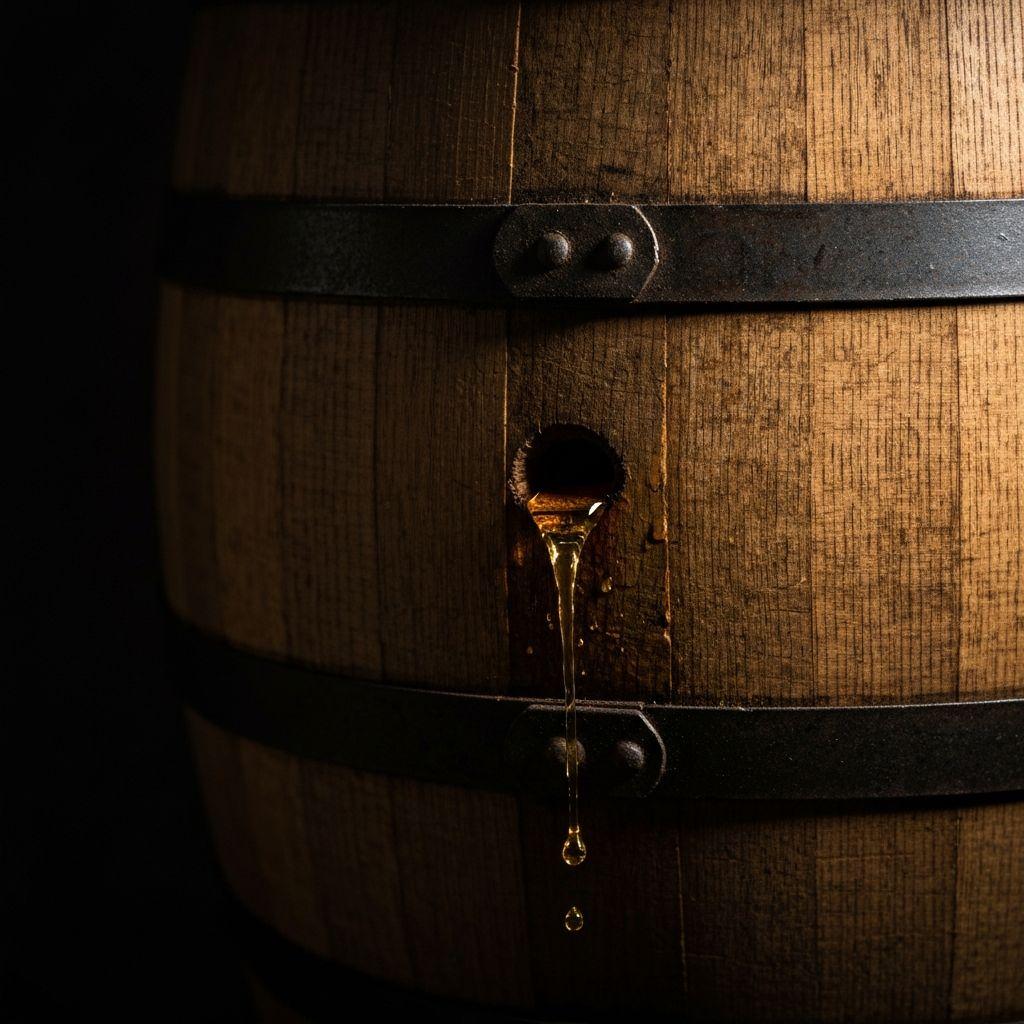
There's another important difference once you look closely at the hardware. Whiskey barrel bands are made from raw, uncoated steel, sometimes referred to as mild steel or wrought iron hoops. They are not galvanized, not stainless, and not powder-coated. They rust.
Wine barrel hoops, by contrast, are typically galvanized steel, aluminum, or stainless. Wineries choose these metals because rust stains on a cellar floor or wine shop display are a problem.
For outdoor use, the rusting of whiskey barrel bands is not a flaw, but rather a core part of the character. The rust patina deepens over time into rich ambers and browns that blend beautifully with weathered oak. It is a completely natural process and adds to the authenticity of a genuine ex-distillery barrel. Many people find that a few seasons of outdoor weathering gives whiskey barrels an even more dramatic, lived-in look.
Our Barrels on Vancouver Island
All of our barrels come from Kentucky bourbon distilleries. They have been through multiple rounds of bourbon aging, which means their interior char is deep and well-established. By the time they reach our property in Errington, they have already proven themselves in a warehouse environment with hot summers, cold winters, and damp cellar conditions. They come out structurally sound.
Vancouver Island's mild, maritime climate is actually one of the best environments for outdoor barrel placement. The temperatures rarely drop to extremes, and the consistent humidity means the wood cycles gently rather than cracking from rapid swings.
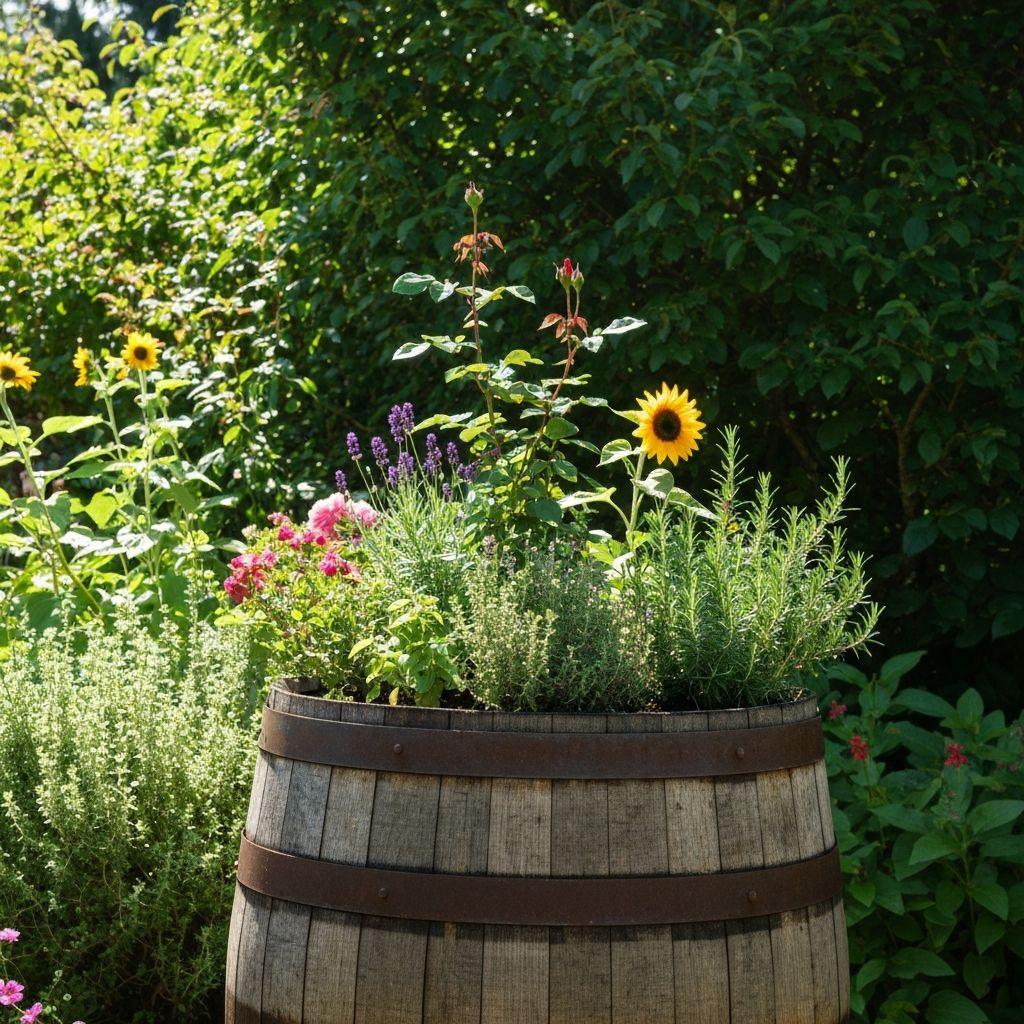
Whether you're using a half barrel for a herb garden or a full barrel as a centrepiece on your deck, the char inside is doing quiet, effective work to keep the wood alive and looking great for years to come.
Browse our barrel selection or contact us to talk through the options.